Our Vision
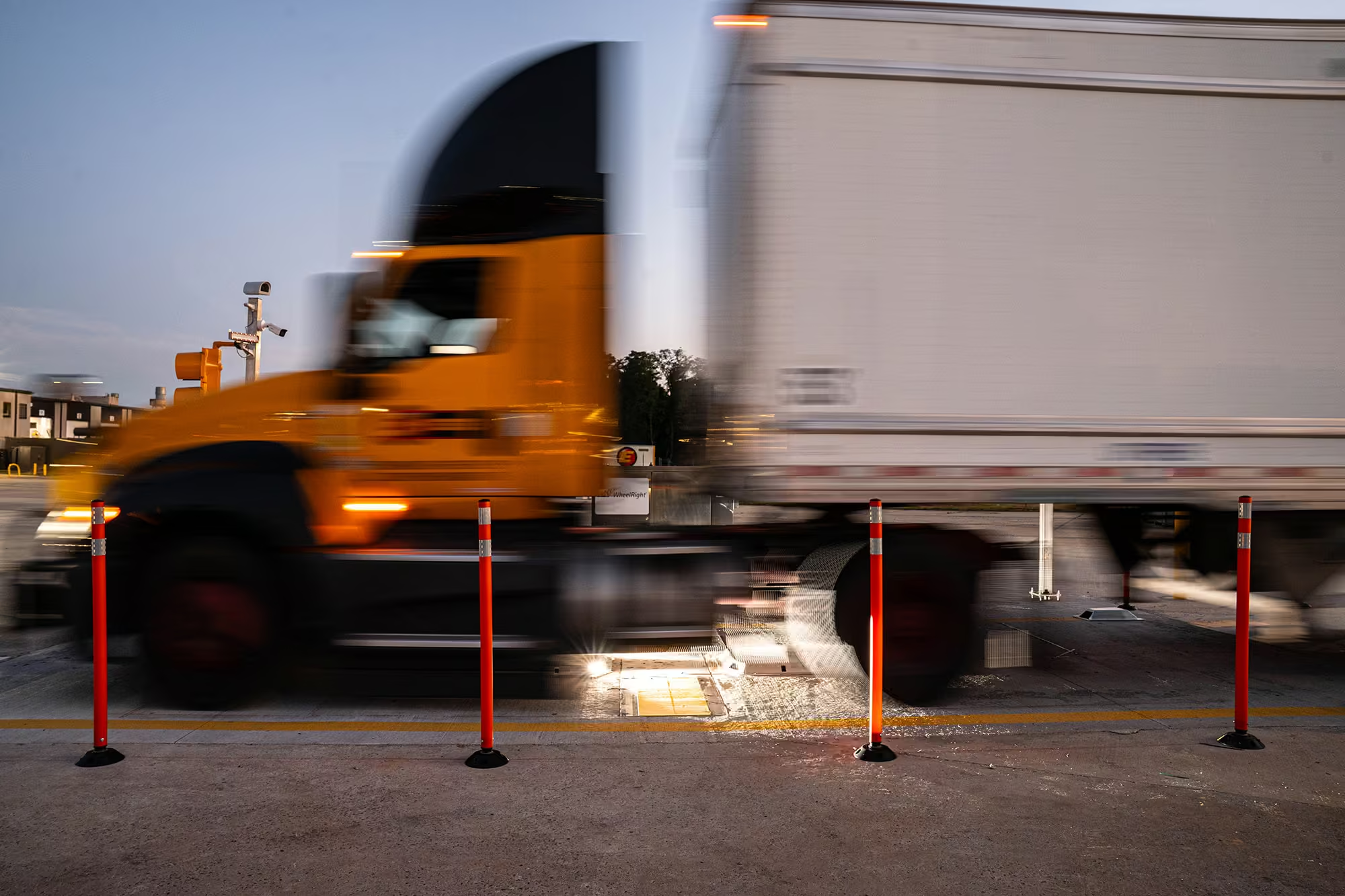
Vehicles drive through. Our inspection technology does the rest.
WheelRight started with a simple question: if tyres are this important, why is checking them still this hard? This is the story of what we're building, why it matters, and where we're going next.
It started with a problem.
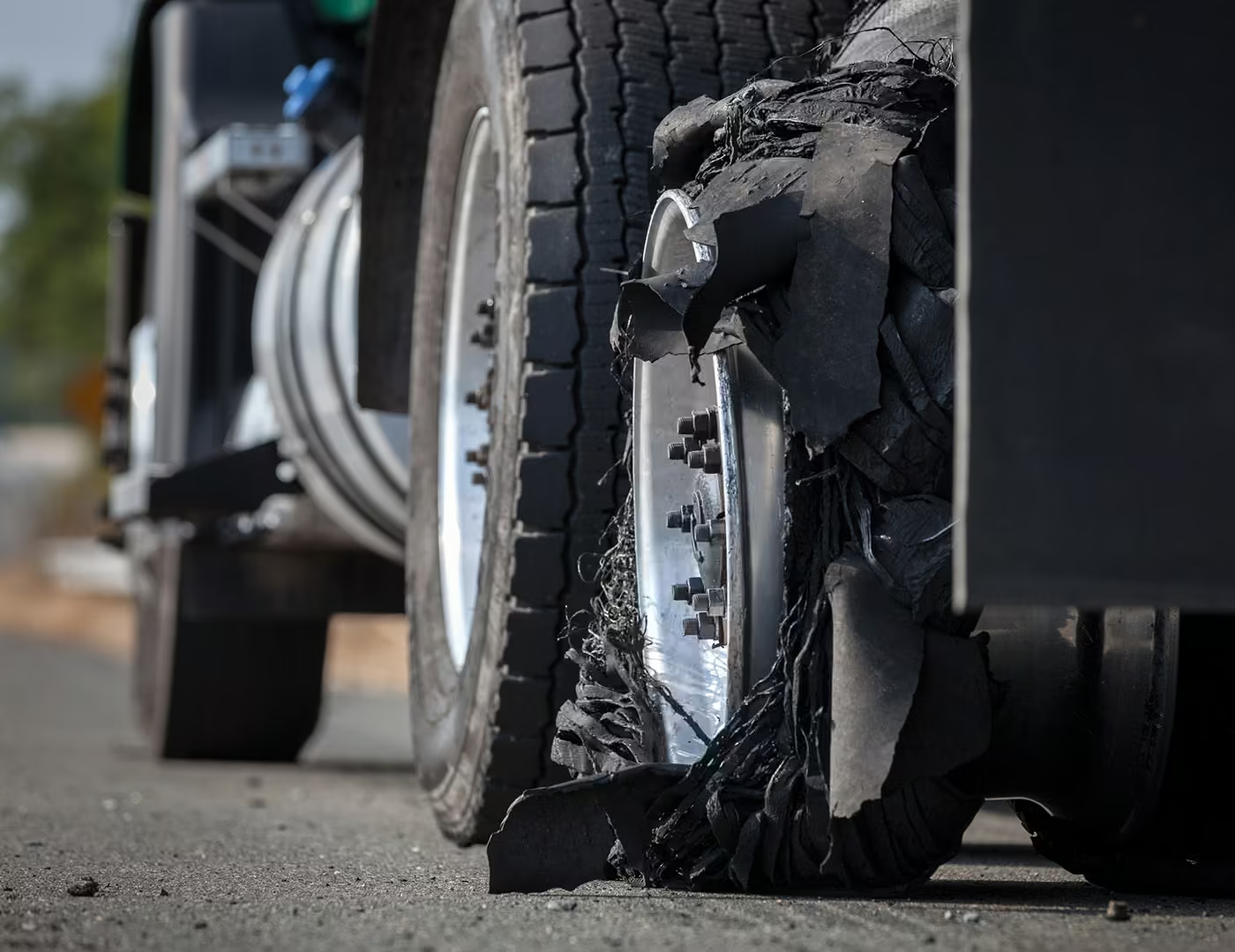
Tyres are the single point of contact between every vehicle and the road. They determine how safely a fleet stops, how much fuel it burns, and how much rubber and CO₂ it puts into the environment.
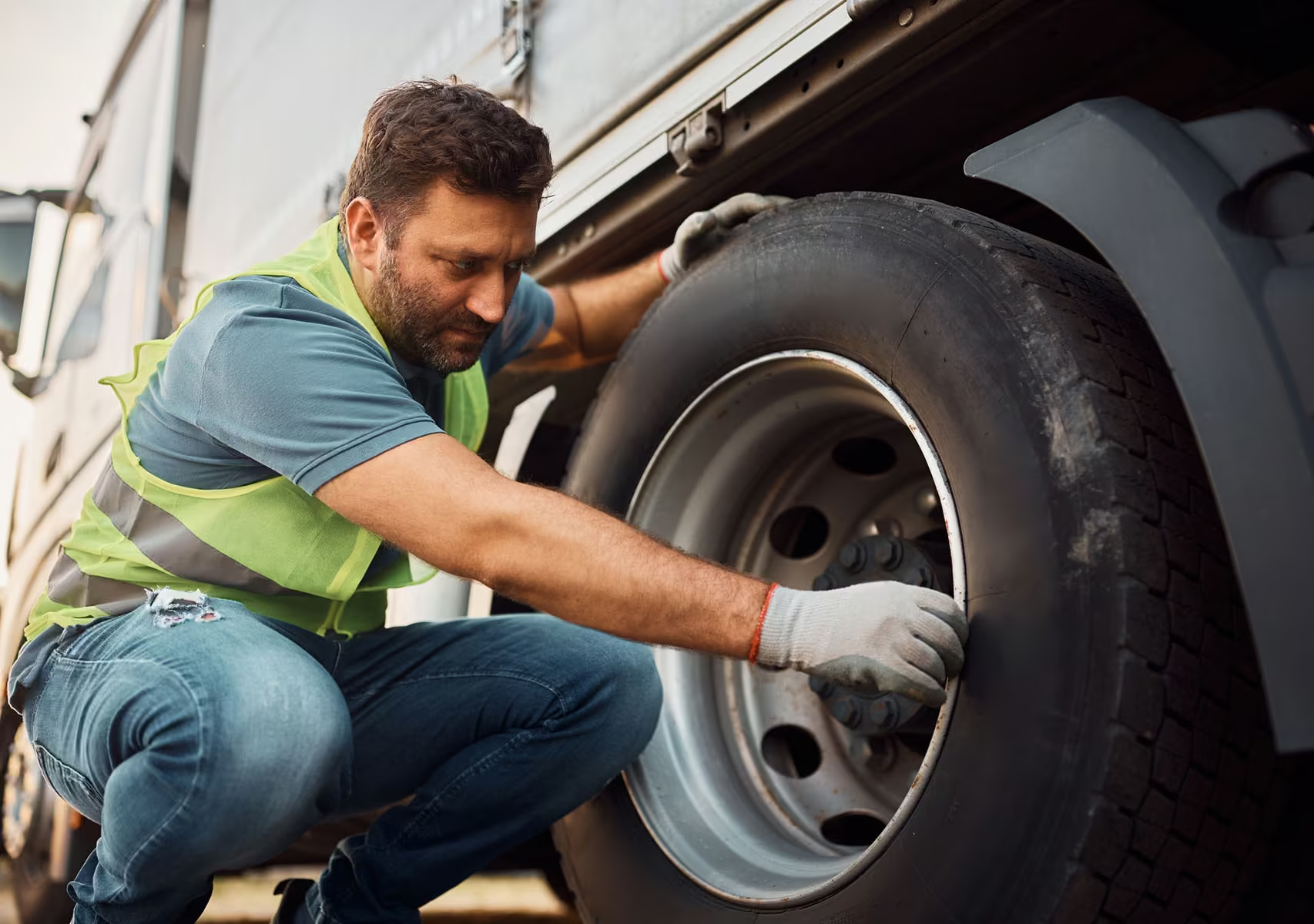
And yet, across more than 5 billion tyres in use worldwide, the way we check them hasn't really changed in decades. Manual walkarounds, a pressure gauge, and a tread depth probe are slow, inconsistent, and almost impossible to do reliably at fleet scale.
So we built a solution.
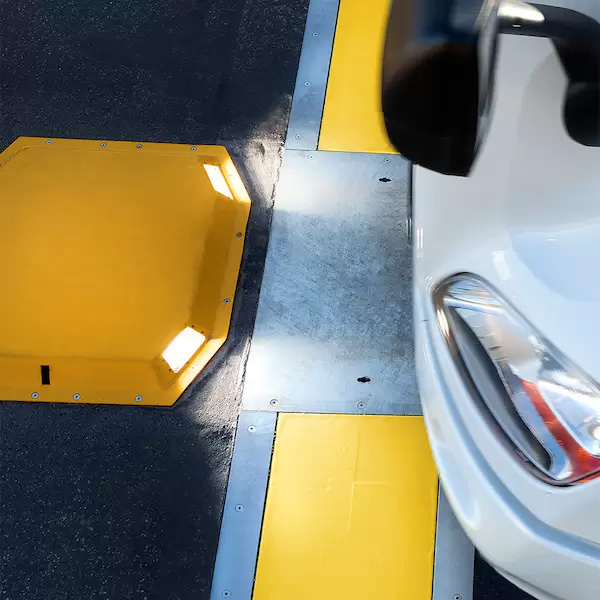
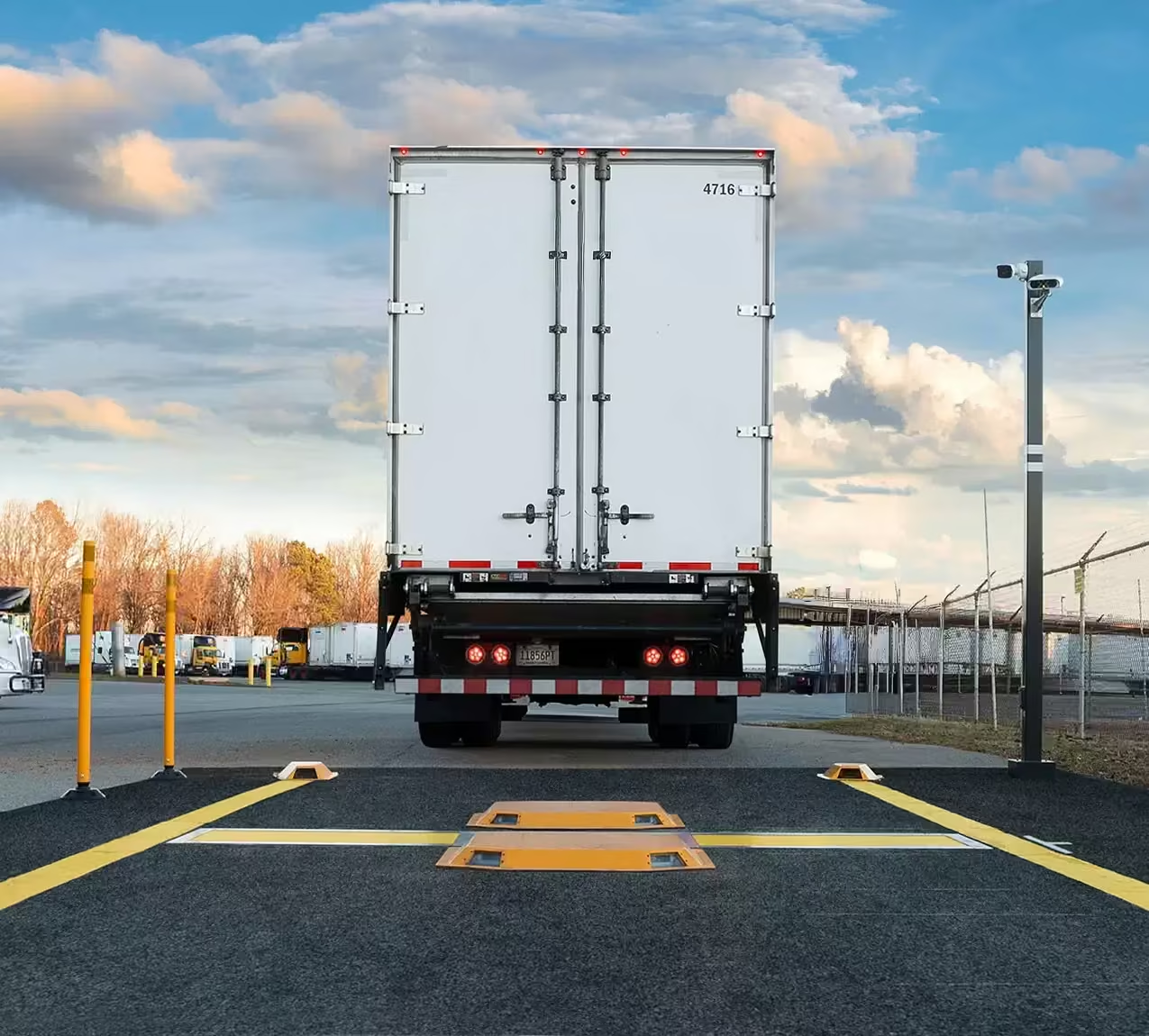
Out of years of R&D at the University of Oxford Science Park, we developed a patented drive-through inspection system — one that captures tyre pressure, tread depth, tread damage, weight, and temperature in a single pass, with no input required from the driver or fleet team.
Designed around how fleets actually work.
The best technology is the kind you don't have to think about. That principle shaped every decision we made — from the hardware in the ground to the cloud platform that delivers the data.
Inspections happen as part of the normal flow of a yard. Results are instant. Fleet managers get the information they need to act, without changing how their drivers work.
Backed by ongoing research.
We're still based in Oxford and we still treat WheelRight as a research-driven company. Over two decades of patent-protected research underpin every drive-through — and the system keeps evolving with new sensors, smarter algorithms, and broader vehicle coverage, because the standard for what's possible in tyre safety should always be moving forward.

Our Vision
Safer roads. Less downtime.
Lower fuel consumption.
A smaller environmental footprint.
Our vision is a world where every commercial vehicle benefits from automated, drive-through tyre inspection — where safety isn't dependent on someone remembering to check, and where fleets, drivers, and the road network all benefit from the same simple piece of infrastructure.