Safer Fleets, Smaller Footprints, Stronger Margins: The Business Case for Automated Tyre Inspection

Tyre management rarely gets the attention it deserves — until a blowout sidelines a vehicle, a compliance audit flags a gap, or fuel costs creep up without an obvious cause. For fleet operators, the tyres on every vehicle quietly influence three of the biggest line items on the balance sheet: safety, sustainability, and cost.
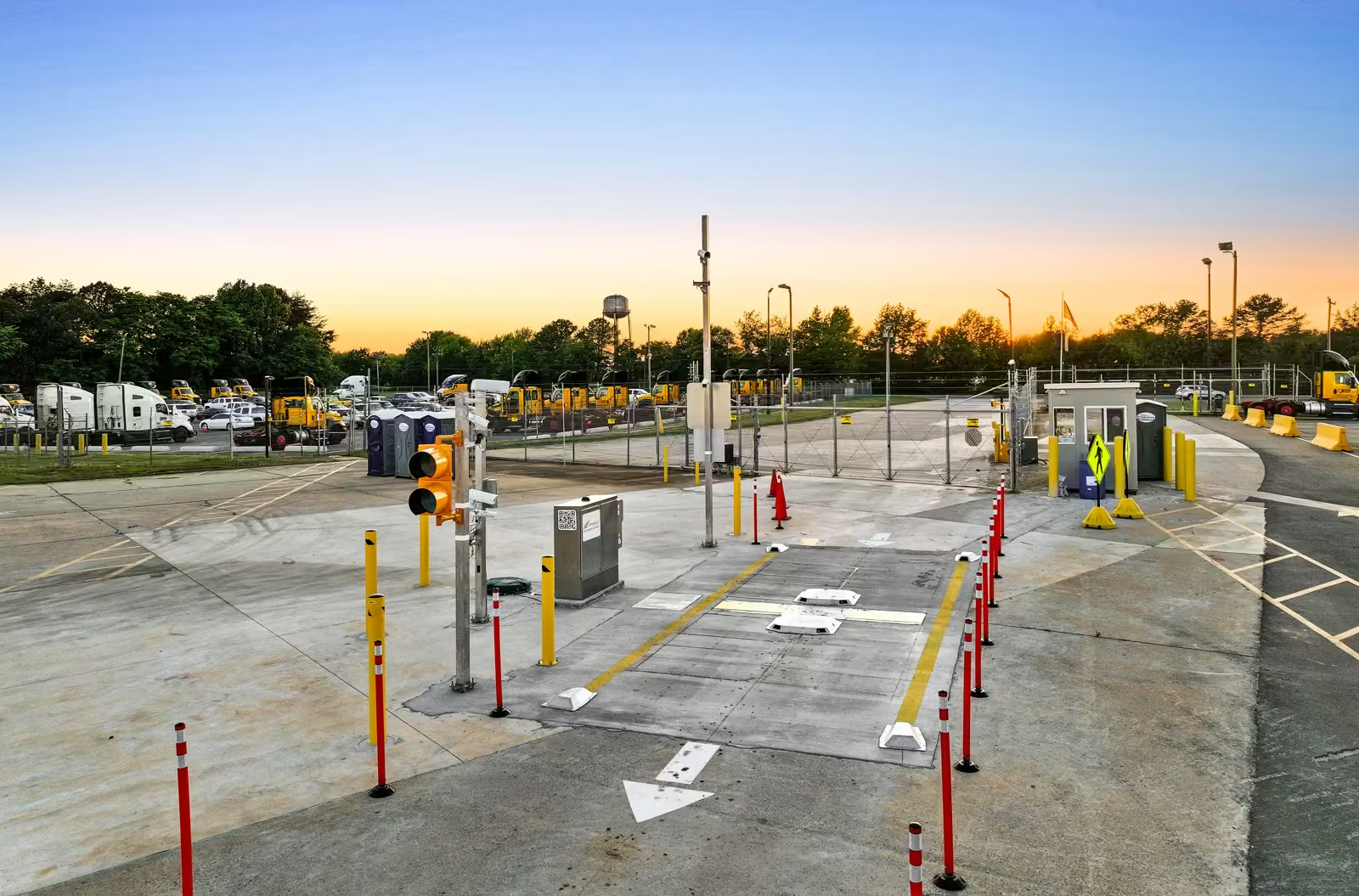
WheelRight's drive-through inspection technology was built around that reality. Every scan delivers the real-time tyre data fleets need to act faster, supporting safer vehicles on the road, a smaller environmental footprint, and a healthier bottom line — all without slowing operations down. Here's how it plays out across each of those three areas.
Safety: Prevention Over Problems
Tyre-related issues are one of the leading contributors to commercial vehicle safety incidents, and the problem with manual inspection is that it depends on a person catching the right issue at the right time — on every vehicle, every day. WheelRight removes that dependency.
The system captures tyre pressure, tread depth, tread damage, and temperature data in real time, automatically, on every vehicle and every pass. When a reading falls out of range, the fleet knows instantly: non-compliant tyres trigger a red alert and generate a job sheet so the team can act before the vehicle ever leaves the yard.
In practice, this gives fleet managers several capabilities a manual process can't match:
- Instant alerts for under- or overinflated tyres, low tread, and abnormal temperatures
- Automated job sheets for vehicles that need urgent attention
- Daily compliance reports for full fleet traceability
- Sub-contractor monitoring, so third-party vehicles are held to the same standard as the rest of the fleet
- Every tyre checked on every vehicle, every time — not just during scheduled maintenance windows
This consistency matters. Across fleets using WheelRight, roughly 1.16% of inspected tyres trigger a red flag for an issue each year — problems that, without automated detection, would likely have gone unnoticed until they became safety incidents or roadside failures.
Sustainability: Maximize Tyre Life, Minimize Waste
Tyre condition has a direct, measurable relationship with fuel consumption and emissions. Underinflated tyres create more rolling resistance, which burns more fuel, accelerates wear, and sends tyres to landfill sooner than necessary. For fleets working toward ESG and emissions targets, tyre pressure is an unglamorous but genuinely significant lever.
WheelRight keeps fleets running at the correct pressure automatically, so the environmental benefits happen as a byproduct of normal operations rather than an added initiative someone has to manage. That translates into:
- Reduced fuel consumption across the fleet
- Lower carbon emissions tied to vehicle operation
- Extended tyre lifespan, which reduces tyre waste and replacement frequency
- Data that supports ESG reporting and broader sustainability compliance goals
Because every inspection happens automatically as part of the normal drive-through process, sustainability gains don't require behavior change from drivers or extra steps for maintenance teams — the system does the work in the background.
Learn more about Sustainability
Savings: Less Downtime, More Control Over Costs
Tyre-related breakdowns are expensive in ways that go beyond the cost of the tyre itself. A blowout on the motorway means a roadside callout, a delayed delivery, potential cargo or safety risk, and a vehicle out of service until it's resolved. WheelRight's value proposition here is straightforward: catch the problem in the yard, not on the road.
By identifying pressure issues, tread problems, and load imbalances before a vehicle departs, fleets shift from reactive repairs to proactive maintenance. That shift shows up directly on the cost side of the business:
- Avoided emergency roadside callouts
- Reduced fuel spend through consistently correct tyre inflation
- Extended tyre life and fewer premature replacements
- Reduced labor costs from automated, no-touch pressure and tread checks
- Flexible opex and capex fee structures to fit different fleet budgets and procurement models
For most fleets, the cost of a WheelRight deployment compares favorably to the cost of five roadside incidents — and the system's pricing structures are built to include service, upgrades, and ongoing maintenance, so there's no separate budget line for keeping the technology current.
Why Safety, Sustainability, and Savings Work Together
These three outcomes aren't separate initiatives competing for budget — they're connected by the same underlying data. The same pressure reading that prevents a blowout also reduces fuel burn. The same tread scan that flags a compliance risk also extends tyre life and avoids an unplanned replacement. Because WheelRight captures all of this automatically in a single drive-through pass, fleets get safety, sustainability, and cost control from one investment rather than three separate programs.
Built on Research, Designed for How Fleets Actually Work
WheelRight's approach grew out of years of R&D, resulting in a patented drive-through inspection system that requires no input from drivers or fleet teams. The goal from the start was technology fleets wouldn't have to think about — inspections that happen as part of the normal flow of a yard, with results delivered instantly so managers can act on them.
Find the Right Solution for Your Fleet
Whether you manage a fleet of a few hundred vehicles or several thousand, WheelRight has a solution that fits your operation, your budget, and your compliance requirements.
[Contact our team →] to talk through how automated drive-through inspection can improve safety, sustainability, and savings across your fleet.